Understanding the psychological triggers behind gambling behavior
The Allure of Risk and Reward
The excitement of gambling is often rooted in the psychological interplay between risk and reward. Players are drawn to the thrill of potentially winning substantial amounts of money, which triggers feelings of euphoria and exhilaration. This sensation stems from the brain’s reward system, where anticipation of a win releases dopamine, a neurotransmitter associated with pleasure. The promise of a big win can be intoxicating, leading individuals to gamble despite the odds being stacked against them. For those seeking an engaging experience, herospin offers some of the top games to play, enhancing the thrill further.
This psychological push is further exacerbated by the phenomenon known as «loss aversion,» where the pain of losing is felt more intensely than the pleasure derived from winning. Gamblers may find themselves caught in a cycle, motivated to continue playing in hopes of recouping losses. This can lead to irrational decision-making, where players ignore probabilities and engage in more risky bets, convinced that a win is just around the corner. The combination of reward anticipation and loss aversion plays a critical role in sustaining gambling behavior.
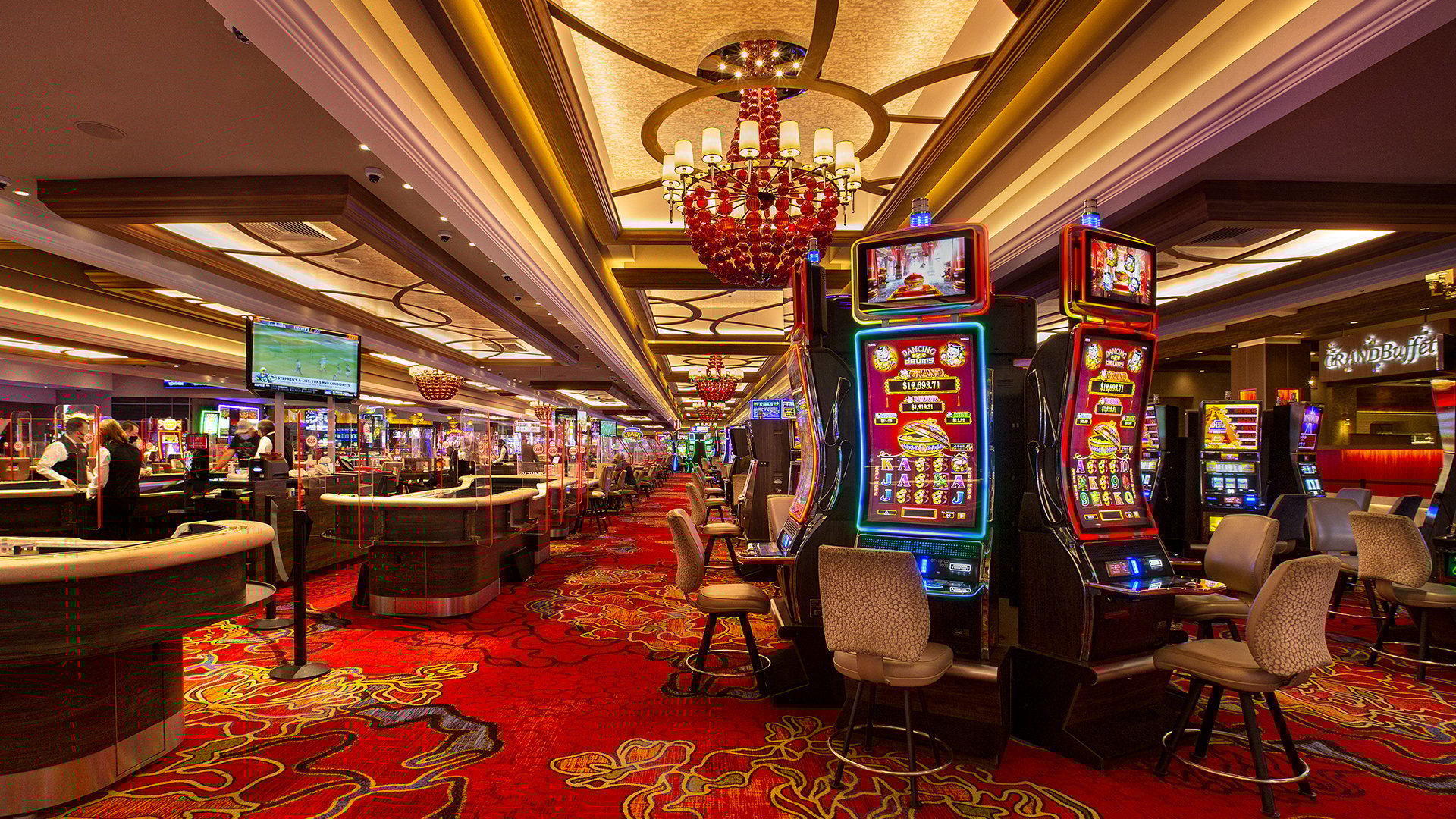
Moreover, the environment in which gambling occurs significantly impacts this psychological dynamic. Bright lights, upbeat music, and the hustle and bustle of a casino create a sensory overload that heightens excitement and distracts from rational thinking. The atmosphere of urgency and excitement can create a false sense of security, leading players to wager more than they normally would. This careful orchestration of the gambling environment serves to amplify the psychological triggers that encourage continued engagement.
The Role of Cognitive Biases
Cognitive biases play a significant role in gambling behavior, leading players to perceive the odds and outcomes in misleading ways. One common bias is the «gambler’s fallacy,» where individuals believe that past events influence future outcomes in games of chance. For example, if a player has lost several times in a row, they may feel that a win is more likely to occur soon. This misconception can lead them to make increasingly risky bets, further entrenching them in a cycle of gambling.
Confirmation bias also affects how gamblers process their experiences. Players are more likely to remember their wins, regardless of how infrequent they may be, while downplaying their losses. This skewed perspective reinforces the belief that they are «due» for a win, encouraging them to keep playing. This cognitive dissonance can trap individuals in a cycle of gambling, as they rationalize their behavior based on selective memory and biased interpretation of outcomes.
Additionally, the illusion of control can mislead gamblers into believing they can influence outcomes through skill or strategy. Many players develop strategies or systems they believe will improve their odds, despite the inherent randomness of gambling games. This misconception can bolster their confidence and lead to further investment of time and money, making it difficult for them to walk away when they should. Cognitive biases, therefore, contribute significantly to the persistence of gambling behaviors.
The Influence of Social Factors
Social factors also significantly influence gambling behavior. The presence of peers and the social setting can create an environment that encourages risk-taking. When friends or family members engage in gambling, individuals are more likely to join in, driven by a desire for social acceptance and shared experiences. This communal aspect of gambling can foster an environment where excessive gambling is normalized, further reinforcing the behavior.
Moreover, societal perceptions of gambling can shape individual attitudes. In cultures where gambling is viewed as a form of entertainment or social bonding, individuals may feel less inclined to see it as a problem. Conversely, in societies where gambling is stigmatized, individuals may hide their behaviors, making it harder for them to seek help. The interplay between cultural attitudes and social dynamics can thus either mitigate or exacerbate gambling-related issues.
Additionally, online gambling has transformed social interactions related to gambling. Platforms allow individuals to engage in gambling activities within the comfort of their homes, often leading to increased frequency and intensity of play. The ability to interact with others through chat functions can create a sense of community but can also lead to competitive gambling behavior, as individuals feel pressured to keep up with their peers. This social dimension adds another layer to the psychological triggers behind gambling behavior.
The Psychological Impact of Gambling Addiction
The psychological consequences of gambling addiction can be severe, affecting various aspects of an individual’s life. Those who struggle with gambling addiction often experience heightened levels of anxiety and depression. The constant cycle of chasing losses and the strain of financial difficulties contribute to a decline in mental health. The emotional toll can lead to feelings of shame, isolation, and despair, further complicating the individual’s ability to break free from the addiction.
Moreover, gambling addiction often disrupts relationships with family and friends. The compulsive nature of gambling can lead to secretive behaviors, where individuals hide their gambling habits. This lack of transparency can erode trust and lead to conflicts with loved ones. The emotional fallout from gambling addiction can result in a sense of alienation and a diminished support network, making recovery even more challenging.
Finally, the long-term effects of gambling addiction can also manifest in physical health issues. Chronic stress from financial instability and anxiety can lead to various health problems, including cardiovascular issues and gastrointestinal disorders. The intersection of psychological and physical health highlights the necessity for comprehensive treatment approaches that address both aspects of gambling addiction. Recognizing and understanding these consequences is essential for those seeking help and support.
Exploring HeroSpin Casino for Responsible Gambling
HeroSpin Casino offers a unique online gaming experience with a strong emphasis on responsible gambling. The platform is designed to provide an engaging atmosphere for players while promoting safe gaming practices. With various features and tools designed to support responsible gambling, HeroSpin encourages players to set limits on their spending and time, ensuring that their gaming experience remains enjoyable and within control.
Additionally, HeroSpin Casino prioritizes player security, incorporating advanced measures to protect personal and financial information. The commitment to responsible gaming is evident through regular updates on best practices and tools for self-assessment. Players can access resources and guidance, making it easier to recognize signs of problematic gambling behavior and seek help when necessary.
With a vibrant selection of games, including slot machines and live games, HeroSpin caters to both new and seasoned players. By fostering a culture of responsible gaming, HeroSpin Casino not only enhances the overall gaming experience but also contributes to awareness about the psychological aspects of gambling behavior. Understanding these triggers can empower players to enjoy their time at HeroSpin while remaining mindful of their choices.
Deja una respuesta